
Beyond the Basics: Uncommon US Photo ID Requirements for 2026
While applying for a passport or visa often comes to mind when thinking about photo ID requirements, numerous other official documents in the US demand strict photo compliance. Failing to meet these requirements can lead to application delays or rejection. Don't let that happen to you! This comprehensive guide explores these lesser-known situations, providing specific guidelines for various photo IDs beyond the usual suspects. By mastering these uncommon photo ID requirements, you can confidently navigate a wide range of official processes, ensuring a seamless and stress-free experience.
Why Photo ID Compliance Matters
Submitting a compliant photo ID is a critical step in many official processes. Whether you're applying for a professional license or a secure access card, a rejected photo can cause significant delays and even jeopardize your application. Understanding the specific requirements for each type of ID is essential for a smooth and successful outcome. Ignoring specific guidelines or submitting a subpar image often leads to rejection, costing you time and potentially money. Paying close attention to detail ensures your application proceeds without a hitch.
Professional Licenses: Meeting Specific Requirements
Various professional licenses, such as those for medical professionals, lawyers, engineers, and educators, often have specific photo ID requirements. These may include:
- Size and Dimensions: Ensuring the photo meets the precise size and aspect ratio specifications.
- Background: Adhering to strict background color and uniformity requirements. Many require a plain white or off-white background.
- Attire and Accessories: Understanding any restrictions on clothing, jewelry, or eyewear. Some professions may prohibit certain accessories.
- Recency: Providing a photo that was taken within a specific timeframe, often within the last six months.
It's crucial to consult the licensing board or agency for your profession to obtain the most up-to-date and accurate photo ID guidelines. These guidelines are often found on the licensing board's website or within the application instructions. Remember, requirements can vary significantly between professions.
Commercial Permits: Complying with Industry Regulations
Commercial permits, such as those for transportation, construction, and environmental activities, often require photo IDs that comply with industry-specific regulations. These requirements may address:
- Visibility: Ensuring the applicant's face is clearly visible and unobstructed. This often means no hats or sunglasses.
- Lighting: Providing a well-lit photo with proper exposure and contrast. Avoid photos that are too dark, too bright, or have harsh shadows.
- Resolution: Meeting minimum resolution standards for image clarity. Low-resolution photos are often rejected due to difficulty in verifying identity.
- Format: Submitting the photo in the required digital format (e.g., JPEG, PNG). Be mindful of file size limitations.
Thoroughly review the guidelines provided by the permitting agency to ensure your photo ID meets all necessary criteria. Contact the agency directly if anything is unclear.
Secure Access Cards: Background Checks and Biometric Considerations
Secure access cards, used in government facilities, airports, and other high-security locations, often have stringent photo ID requirements due to background check and biometric considerations. These requirements may include:
- Facial Recognition Standards: Meeting specific facial recognition standards for accurate identification. The photo must be suitable for facial recognition software.
- Head Position and Alignment: Ensuring the applicant's head is properly positioned and aligned in the photo. The face should be centered and square to the camera.
- Expression: Maintaining a neutral facial expression with eyes open and mouth closed. Smiling or other expressions can interfere with biometric analysis.
- Security Features: Incorporating specific security features, such as watermarks or holograms. This may require using an authorized photo provider.
Carefully follow the instructions provided by the issuing agency to ensure your photo ID meets all security-related requirements. Deviation from these instructions may result in denial of access.
USCIS Applications: Navigating Evolving Guidelines
The United States Citizenship and Immigration Services (USCIS) has specific photo ID specifications for various immigration-related applications, such as naturalization certificates, employment authorization documents, and travel permits. These guidelines are subject to change, so it's essential to:
- Check for Updates: Regularly check the USCIS website for the latest photo ID requirements.
- Review Examples: Carefully review the examples of acceptable and unacceptable photos provided by USCIS.
- Seek Clarification: Contact USCIS directly if you have any questions or concerns about the photo ID requirements.
- Use AI Photo Tools: Consider using AI-powered photo tools to ensure compliance. These tools are often updated to reflect the latest USCIS guidelines.
Meeting the requirements for a Green Card photo can be a daunting task. Don't worry, AI Passport Photo is here to help you! You can get started by clicking here.
DIY Tips for Capturing Compliant Photos at Home
Capturing a compliant photo ID at home is possible with careful planning and attention to detail. Here are some actionable DIY tips:
- Use a High-Quality Camera: Utilize a smartphone or digital camera with sufficient resolution (at least 600x600 pixels).
- Find a Well-Lit Location: Choose a location with ample natural light, avoiding harsh shadows. Diffused light is ideal.
- Use a Solid Background: Use a plain white or off-white background free of distractions. A clean wall or a large sheet of paper can work well.
- Follow Posing Guidelines: Maintain a neutral expression, face the camera directly, and keep your eyes open. Avoid tilting your head or looking away from the camera.
- Avoid Glare: Ensure that glasses do not cause glare and obscure your eyes. If possible, remove glasses, or adjust their position to eliminate glare.
- Dress Appropriately: Wear clothing that is typical of your everyday attire. Avoid uniforms or clothing that resembles a uniform. Darker colors often work best against a white background.
- Get a Second Opinion: Have someone else review your photo to ensure it meets the requirements. A fresh pair of eyes can catch things you might miss.
Remember to check the specific photo requirements for your application before taking the photo. Requirements can vary from agency to agency.
Selecting the Right AI-Powered Photo Tools
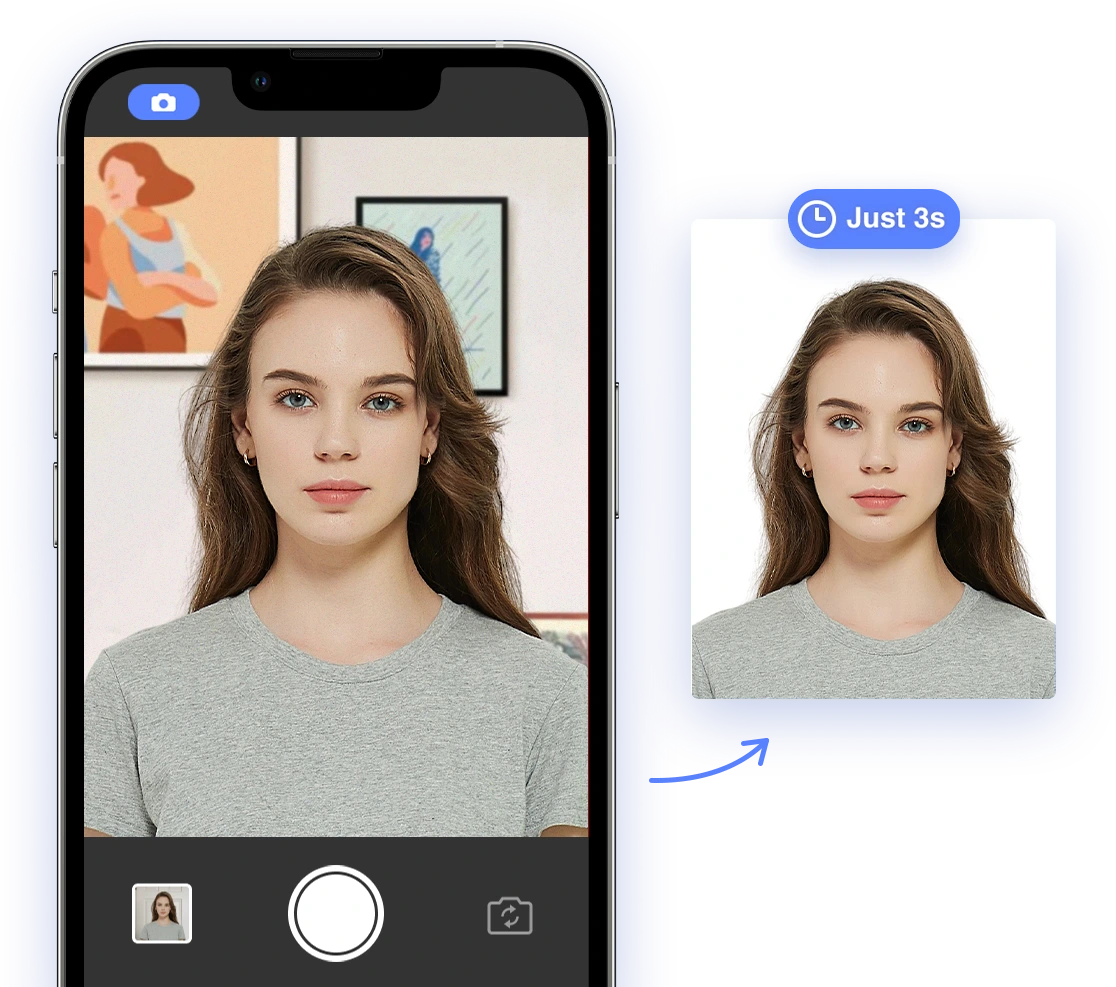
AI-powered photo tools can significantly simplify the process of creating compliant photo IDs. Look for tools that offer features such as:
- Automatic Background Removal: Removing and replacing backgrounds to meet specific color requirements. Ensures compliance with background specifications.
- Facial Recognition: Ensuring proper head position, alignment, and expression. Corrects subtle deviations that may lead to rejection.
- Image Resizing and Cropping: Adjusting the photo to meet the required size and dimensions. Prevents issues related to incorrect photo size.
- Compliance Checks: Verifying that the photo meets all necessary requirements. Reduces the risk of human error.
- Lighting and Color Correction: Adjusting brightness, contrast, and color balance for optimal image quality. Ensures the photo meets lighting standards.
Be sure to select a reputable and reliable AI photo tool that is specifically designed for creating compliant photo IDs. With AI Passport Photo, you can rest assured your photo will be accepted! Our tool is continuously updated with the latest guidelines to ensure your peace of mind.
Troubleshooting Common Issues
Even with careful planning and the use of AI-powered tools, you may encounter some common issues. Here are some troubleshooting steps to address:
- Photo is Too Dark or Too Bright: Adjust the lighting and exposure settings on your camera. Experiment with different light sources or use photo editing software to adjust brightness and contrast.
- Photo is Blurry: Ensure your camera is properly focused and the subject is not moving. Use a tripod or stabilize your camera to prevent blurriness.
- Background is Not Uniform: Use a larger sheet of paper or fabric to create a seamless background. Ensure there are no wrinkles or shadows on the background.
- Photo is the Wrong Size: Use an image editing tool to resize and crop the photo to the required dimensions. Pay close attention to aspect ratio and pixel dimensions.
- Photo is Rejected: Review the rejection reasons and address any specific issues identified. Use an AI-powered tool to check for compliance and make necessary adjustments. You can usually fix these problems by using AI Passport Photo tool!
By understanding these common issues and implementing the appropriate troubleshooting steps, you can overcome obstacles and create a compliant photo ID. It may take several attempts to get it right, so be patient and persistent.
Maximize Success with Compliant Photos
Meeting uncommon US photo ID requirements can seem daunting, but by following the guidelines outlined in this comprehensive guide, you can confidently navigate a wide range of official processes. Remember to consult official sources, utilize DIY tips, leverage AI-powered tools, and troubleshoot any issues that may arise. With careful planning and attention to detail, you can create compliant photo IDs that ensure a seamless and stress-free experience. A little extra effort in preparing your photo can save you significant time and hassle in the long run.
Ready to create compliant photos for professional licenses, commercial permits, and secure access cards? Visit Aipassportphoto.com today!