
Navigating the Maze of Photo ID Requirements: A Comprehensive Guide for Every Situation [2024-2025]
Applying for any official document requiring a photo ID can feel like navigating a maze. Requirements vary significantly depending on the document type, issuing authority, and even the country. This comprehensive guide aims to demystify the process and provide practical, actionable advice for ensuring your photo ID meets all necessary standards, updated for 2024-2025.
Understanding Core Photo ID Requirements
Before diving into specific document types, let's review some core requirements that generally apply to most photo IDs. Adhering to these basics will set you up for success. These foundational elements are crucial to understand before tackling the more nuanced guidelines.
- Size and Dimensions: Most photo IDs require a specific size, often 2x2 inches (51x51 mm) for US passports. Always check the exact dimensions for your specific document.
- Background: A plain white or off-white background is usually required. Avoid busy patterns or distracting colors. This ensures your features are clearly visible and not overshadowed by the background.
- Lighting: Consistent and even lighting is crucial. Avoid shadows on your face or background. Natural light is ideal, but if using artificial light, ensure it's diffused and not too harsh. Uneven lighting can lead to rejection.
- Pose: Face the camera directly with a neutral expression. Avoid smiling, squinting, or tilting your head. These requirements help ensure accurate biometric identification.
- Resolution and Quality: The photo should be clear, sharp, and free of any pixelation or blurring. High-resolution images are typically required. A blurry or low-quality image will be rejected.
US-Specific Photo ID Guidelines
The United States has specific requirements for different types of photo IDs, varying based on the issuing authority. Here's a breakdown of common documents, offering detailed insights into each category.
US Passports and Visas
The US Department of State has strict guidelines for passport and visa photos. Meeting these requirements is crucial for avoiding application delays. Key requirements include:
- Size: 2x2 inches (51x51 mm)
- Background: Plain white
- Expression: Neutral
- Attire: Everyday attire. No uniforms or clothing that resembles a uniform. Avoid white shirts, as they can blend into the background.
- Accessories: Generally, no hats or head coverings unless worn daily for religious reasons. A signed statement may be required. Eyeglasses are no longer allowed, with rare medical exceptions where a doctor's note is necessary.
If you need to renew your passport, the MyTravelGov account streamlines the process, making it easier than ever to manage your application online.
State-Issued Driver's Licenses and Identification Cards
Driver's license photo requirements vary by state, but some common guidelines apply. Always consult your local Department of Motor Vehicles (DMV) for specific rules.
- Size: Varies by state; check with your local DMV. Many states provide size specifications on their website or application forms.
- Background: Usually a plain, neutral color. Blue or gray backgrounds are common, but this varies.
- Expression: Typically a neutral expression is required, but some states may allow a slight smile. Check your state's specific guidelines.
- Attire: Everyday attire. Check specific state regulations regarding head coverings. Religious head coverings are usually permitted, but must not obscure the face.
Green Cards (Permanent Resident Cards)
The US Citizenship and Immigration Services (USCIS) has specific requirements for green card photos, ensuring accurate identification. These requirements must be strictly adhered to.
- Size: 2x2 inches (51x51 mm)
- Background: White to off-white
- Expression: Neutral
- Digital Submissions: If submitting digitally, the image file format should be JPEG. The resolution must also meet USCIS standards.
US Citizenship Applications (USCIS)
Photos for US citizenship applications must adhere to strict guidelines to ensure proper processing. Attention to detail is crucial.
- Size: 2x2 inches (51x51 mm)
- Background: White to off-white
- Expression: Neutral
- Quantity: Generally, two identical photos are required.
Global Variations in Photo ID Requirements
Photo ID requirements differ significantly across countries, so it's crucial to research the specific guidelines for your destination well in advance of your application. Don't assume US standards apply internationally.
- Schengen Visa: Requires a specific size (35x45 mm) and often more stringent requirements on facial visibility, including the distance between the chin and the top of the head.
- India Visa: Has specific requirements regarding background color (white or off-white) and the visibility of facial features, including both ears. The photo must also meet specific contrast and brightness standards.
Dress Code Decoded for Photo IDs
The dress code for photo IDs can be confusing, with varying interpretations of acceptable attire. This section clarifies those nuances.
- Attire: Wear everyday clothing that you would normally wear. Avoid uniforms or clothing that resembles a uniform. Solid, dark colors generally work best. Avoid white shirts, as they can blend into the background.
- Accessories: Generally, avoid excessive jewelry, hats, or other accessories that may obstruct your facial features. Religious head coverings are typically allowed, but they must not obscure your face. A signed statement attesting to the religious requirement might be necessary.
- Hairstyles: Your hair should not obstruct your face. If you have long hair, make sure it is pulled back or arranged so that your facial features are clearly visible. Ensure your hairline and forehead are visible.
- Makeup: Keep makeup minimal and natural. Avoid heavy makeup that significantly alters your appearance. The goal is to resemble your everyday look.
Addressing Unique Situations
Taking photo IDs for infants, children, individuals with disabilities, or those with medical conditions requires extra care and consideration. Patience and preparation are key.
- Infants and Children: Ensure the child is facing the camera with a neutral expression. It may be helpful to have another person assist in holding the child or getting their attention. Laying the baby on a white sheet can help achieve a compliant background. Requirements for child passport photos are stringent, so professional assistance is often recommended.
- Individuals with Disabilities: Make necessary accommodations to ensure the individual is comfortable and able to meet the photo requirements. Medical devices are generally allowed if they do not obstruct facial features. A doctor's note explaining the necessity of the device may be required.
DIY Tips and Techniques for Perfect Photo IDs
Taking photo IDs at home can save time and money, offering convenience and control over the process. Here are some tips for success:
- Lighting: Use natural light whenever possible. Position yourself near a window, but avoid direct sunlight, which can create harsh shadows. Overcast days provide the most consistent lighting.
- Background: Use a plain white or off-white sheet or wall as a backdrop. Ensure the background is smooth and free of wrinkles or distractions.
- Camera: Use a high-resolution camera or smartphone with a good-quality camera. Ensure the lens is clean and free of smudges.
- Posing: Stand or sit facing the camera directly. Maintain a neutral expression and avoid tilting your head. Have someone else take the photo to ensure proper framing and focus.
Leveraging AI-Powered Tools for Compliance
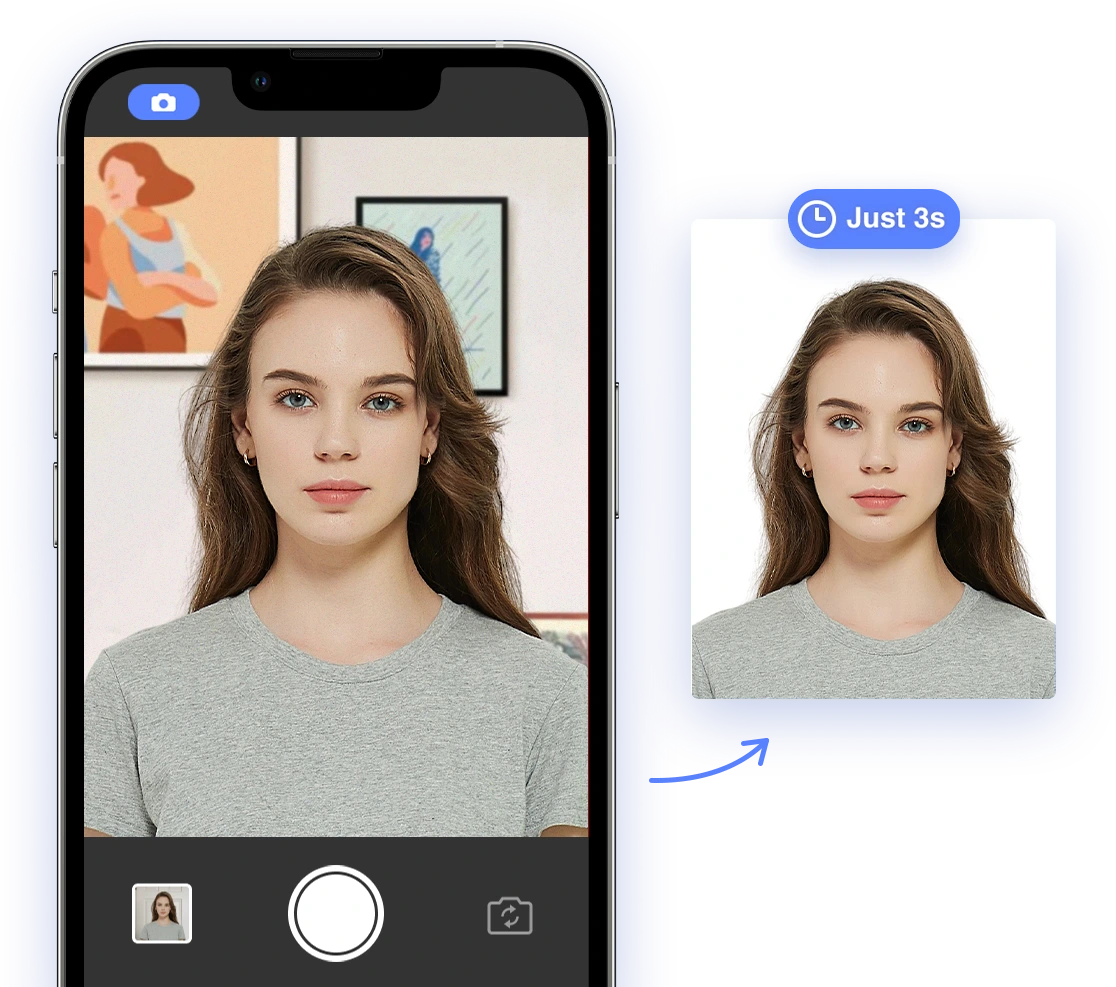
AI-powered passport photo generators and compliance checkers can significantly simplify the process, offering a convenient and reliable way to ensure your photos meet all necessary standards.
These tools can automatically:
- Crop and resize your photo to the correct dimensions, meeting specific requirements for different documents and countries.
- Remove or replace the background, ensuring a compliant white or off-white background.
- Check for compliance with specific requirements, such as facial positioning, expression, and lighting.
AI passport photo tools offer a convenient and reliable way to ensure your photos meet all necessary standards, reducing the risk of rejection and saving you time and effort.
Troubleshooting Common Rejections
Even with careful preparation, photo IDs can sometimes be rejected. Understanding the common reasons for rejection can help you avoid these pitfalls.
Common reasons for rejection include:
- Incorrect size or dimensions: The photo doesn't meet the specified size requirements.
- Poor lighting or shadows: Uneven lighting or shadows obscure facial features.
- Non-compliant background: The background is not plain white or off-white.
- Obstructed facial features: Hair, accessories, or clothing obscure facial features.
- Low resolution or poor image quality: The photo is blurry, pixelated, or of low quality.
- Non-neutral expression: Smiling, squinting, or other expressions are not allowed.
What To Do If Your Photo Is Rejected
If your photo is rejected, don't panic! Carefully review the rejection notice to identify the specific reason for rejection. Read the directions carefully.
Correct the issue and resubmit your photo. If you're unsure how to proceed, consider using a professional photo service or AI-powered tool to ensure compliance. Document and label each attempt to avoid the same errors.
Creative Uses for Compliant Photo IDs
Beyond official documents, compliant photo IDs can have creative and practical uses, extending their utility beyond travel and identification.
- Online Verification: Use your photo ID for online identity verification purposes, such as setting up secure accounts or verifying your identity on certain platforms.
- Personalized Gifts: Create personalized gifts, such as keychains or phone cases, featuring your photo ID. This adds a personal touch to everyday items.
- Emergency Identification: Keep a copy of your photo ID with you in case of emergencies, such as loss of wallet or other identification documents.
Government Digital ID Initiatives
Governments worldwide are increasingly exploring digital ID initiatives to enhance security and convenience, streamlining access to services and improving data protection.
These initiatives often involve the use of compliant photo IDs for secure online authentication and access to government services, offering a more efficient and secure way to manage personal information.
The Future of Photo IDs
The future of photo IDs is likely to involve greater integration of biometric technology and digital verification methods, offering enhanced security and convenience. AI-powered systems will play a growing role.
As technology advances, photo IDs may become even more secure and versatile, offering a seamless and convenient way to verify identity in various contexts. These future IDs will need to balance security with ease of use.
By following this comprehensive guide, you'll be well-equipped to navigate the maze of photo ID requirements and ensure your photos meet all necessary standards, saving you time, money, and unnecessary stress. You can confidently approach any official identification process.