
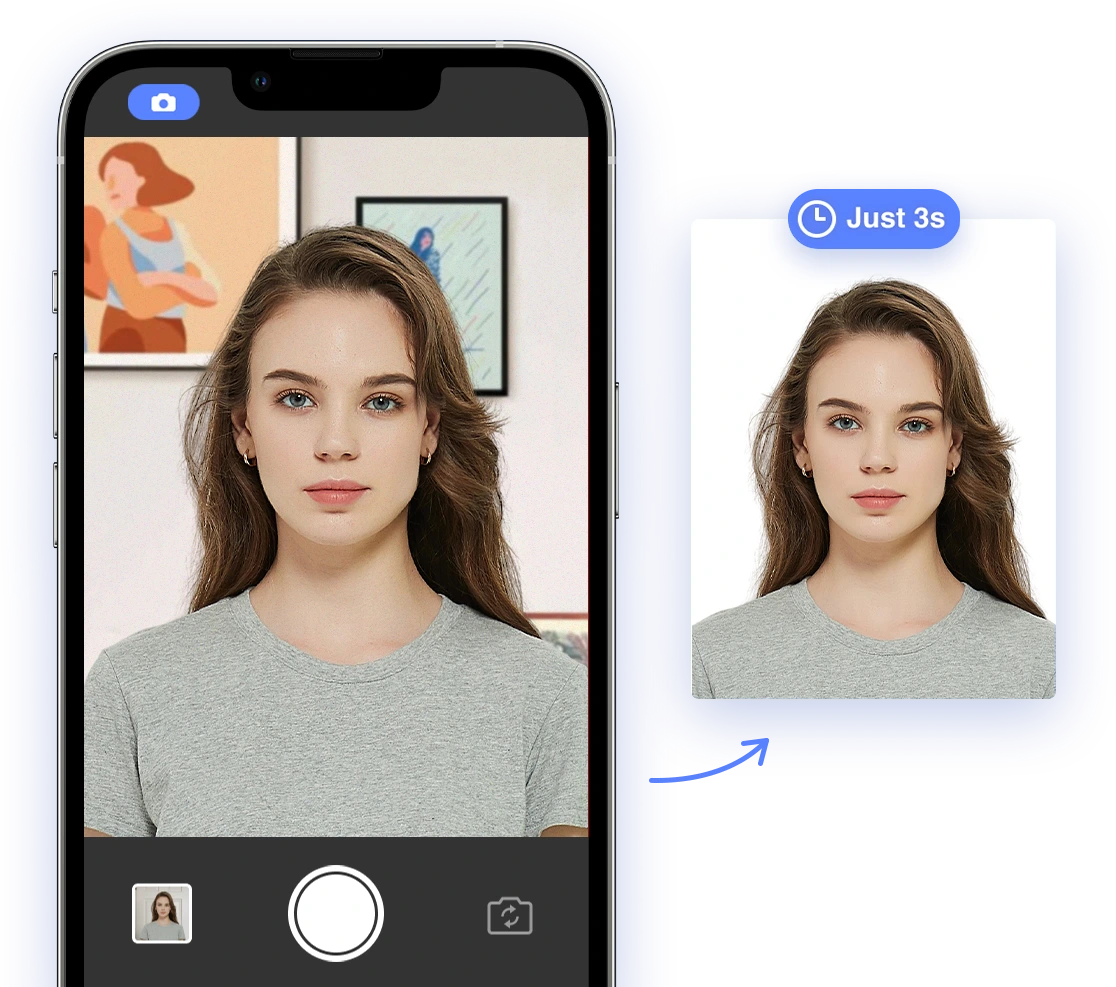
Is the thought of taking your passport photo filling you with dread? You're not alone! Passport photo rejections are a common source of travel-related anxiety. From outdated regulations to seemingly arbitrary rules, navigating the world of passport photos can feel like an impossible mission. But fear not! This comprehensive guide is here to equip you with the knowledge and tools you need to create a perfect passport photo in 2026, even if you have unique circumstances that might make it seem more challenging.
We'll break down the core requirements, tackle tricky situations head-on, and show you how artificial intelligence (AI) can be your secret weapon for ensuring compliance. Get ready to say goodbye to photo-related stress and hello to smooth sailing on your next adventure! Why is it so important to get your passport photo right? Check out this helpful video: 10 Passport Photo Mistakes That Will Get You Rejected
## Understanding the Core Requirements for US Passport Photos
Before diving into the tricky stuff, let's quickly review the basic US passport photo requirements. These are the non-negotiables, so make sure you get them right:
* **Photo size:** 2 x 2 inches (51 x 51 mm)
* **Head size:** The head (from the top of the hair to the bottom of the chin) must measure 1 to 1 3/8 inches (25–35 mm). The face should fill 50–69% of the image's total height.
* **Color:** Must be in color, with natural skin tones.
* **Background:** Plain white or off-white with no patterns, textures, lines, or shadows.
It's important to have the right background, but what if you don't have a white wall? AI to the rescue! Check out AI Passport Photo for an easy fix. * **Pose:** Face the camera directly with a neutral expression, both eyes open, and mouth closed. A mild, natural smile is acceptable, but a neutral facial expression is preferred. But, how do you achieve that perfect neutral look? This video offers some posing tips: How to pose for an ID * **Clothing:** Wear normal, everyday clothing; no uniforms, except for religious attire worn daily. * **Recency:** The photo must be taken within the last 6 months. * **Quality:** High resolution, in focus, and printed on thin, glossy photo-quality paper. Digital images must be at least 600 x 600 pixels. ## Navigating Tricky US Passport Photo Situations Now, let's address the situations that often trip people up. These are the nuances that can lead to unexpected rejections, but with a little preparation, you can conquer them all. ### Wearing Glasses: Updated US Passport Photo Regulations Good news (sort of)! Glasses are generally not allowed in US passport photos. The U.S. Department of State launched the "No Eyeglasses Policy" in 2016 to ensure consistent rules for passport pictures. Photos with glasses can cause delays due to glare and shadows that obscure the face. However, there are exceptions: * **Medical reasons:** If you cannot remove your glasses for medical reasons, you must provide a signed statement from your doctor. The statement should explain why you need to wear them. * **Requirements if glasses are accepted for medical reasons:** * Frames must not cover any part of your eyes. * There must be no glare on the eyeglasses that obscures your eyes. * There must not be shadows or refraction from the eyeglasses that obscures the eyes. * Eyewear can't have tinted glasses. * Glasses can’t have thick or dark frames. If you absolutely must wear glasses, consider using an AI passport photo tool to help minimize glare and ensure your eyes are clearly visible. For more tips, check out this video: Passport Photo Tips ### Head Coverings: Religious and Medical Exceptions for US Passports Hats and fashion head coverings are generally not allowed. Exceptions are made for head coverings worn daily for religious or medical reasons. You may need to provide a signed statement to verify this. The head covering must not obscure your facial features. Your face should be fully visible from the bottom of your chin to the top of your forehead, and both edges of your face must be clearly shown. There should be no shadows on your face. The head covering should ideally be a solid color without patterns or small holes. If you are applying for US citizenship, the USCIS photo requirements for naturalization also apply. ### Facial Hair: Beards, Goatees, and More in US Passport Photos Beards are generally acceptable if they are a natural part of your everyday appearance. The photo needs to represent your current look, so if you plan to shave it off shortly after getting your passport, you might want to take the photo without it. ### Tattoos and Piercings: Express Yourself (Responsibly) in Your US Passport Photo Good news for body art enthusiasts! Tattoos and body modifications are allowed as they are permanent and aid in identification. You can keep facial piercings as long as they don't hide your face. Just remember, the U.S. Department of State will request a new photo if you have added or removed numerous or large facial piercings or tattoos because the photo must reflect your current appearance. ### Eyelash Extensions: A Tricky Situation for US Passport Photos While official guidelines for 2026 are not yet available, current information suggests the following regarding eyelash extensions and passport photos: * Eyelash extensions are generally not recommended. Eyelash extensions and fake lashes can obscure your eyes and even change your appearance, potentially leading to rejection of your photo. Instead, consider using mascara. * Makeup is allowed, but keep it natural. The most important thing is that the photo reflects your natural, current appearance. Want to know more about how to handle makeup? Watch this Makeup for passport photo tutorial * Avoid heavy or excessive makeup. * Eyes must be fully visible. Therefore, it's best to avoid fake lashes and heavy eye makeup for your US passport photo to ensure it accurately represents your everyday appearance. ### Medical Devices: Ensuring Visibility and Documentation for US Passports While specific passport photo requirements for 2026 related to medical devices aren't explicitly detailed, here's a general overview: If you wear a head covering for medical reasons, you'll need to submit a signed doctor's statement explaining this. Your full face must be visible, and the head covering should not cast shadows on your face. Medical equipment and supports like wheelchairs may be visible in the background. ### Natural Hairstyles: Embrace Your Texture in Your US Passport Photo While there aren't specific
It's important to have the right background, but what if you don't have a white wall? AI to the rescue! Check out AI Passport Photo for an easy fix. * **Pose:** Face the camera directly with a neutral expression, both eyes open, and mouth closed. A mild, natural smile is acceptable, but a neutral facial expression is preferred. But, how do you achieve that perfect neutral look? This video offers some posing tips: How to pose for an ID * **Clothing:** Wear normal, everyday clothing; no uniforms, except for religious attire worn daily. * **Recency:** The photo must be taken within the last 6 months. * **Quality:** High resolution, in focus, and printed on thin, glossy photo-quality paper. Digital images must be at least 600 x 600 pixels. ## Navigating Tricky US Passport Photo Situations Now, let's address the situations that often trip people up. These are the nuances that can lead to unexpected rejections, but with a little preparation, you can conquer them all. ### Wearing Glasses: Updated US Passport Photo Regulations Good news (sort of)! Glasses are generally not allowed in US passport photos. The U.S. Department of State launched the "No Eyeglasses Policy" in 2016 to ensure consistent rules for passport pictures. Photos with glasses can cause delays due to glare and shadows that obscure the face. However, there are exceptions: * **Medical reasons:** If you cannot remove your glasses for medical reasons, you must provide a signed statement from your doctor. The statement should explain why you need to wear them. * **Requirements if glasses are accepted for medical reasons:** * Frames must not cover any part of your eyes. * There must be no glare on the eyeglasses that obscures your eyes. * There must not be shadows or refraction from the eyeglasses that obscures the eyes. * Eyewear can't have tinted glasses. * Glasses can’t have thick or dark frames. If you absolutely must wear glasses, consider using an AI passport photo tool to help minimize glare and ensure your eyes are clearly visible. For more tips, check out this video: Passport Photo Tips ### Head Coverings: Religious and Medical Exceptions for US Passports Hats and fashion head coverings are generally not allowed. Exceptions are made for head coverings worn daily for religious or medical reasons. You may need to provide a signed statement to verify this. The head covering must not obscure your facial features. Your face should be fully visible from the bottom of your chin to the top of your forehead, and both edges of your face must be clearly shown. There should be no shadows on your face. The head covering should ideally be a solid color without patterns or small holes. If you are applying for US citizenship, the USCIS photo requirements for naturalization also apply. ### Facial Hair: Beards, Goatees, and More in US Passport Photos Beards are generally acceptable if they are a natural part of your everyday appearance. The photo needs to represent your current look, so if you plan to shave it off shortly after getting your passport, you might want to take the photo without it. ### Tattoos and Piercings: Express Yourself (Responsibly) in Your US Passport Photo Good news for body art enthusiasts! Tattoos and body modifications are allowed as they are permanent and aid in identification. You can keep facial piercings as long as they don't hide your face. Just remember, the U.S. Department of State will request a new photo if you have added or removed numerous or large facial piercings or tattoos because the photo must reflect your current appearance. ### Eyelash Extensions: A Tricky Situation for US Passport Photos While official guidelines for 2026 are not yet available, current information suggests the following regarding eyelash extensions and passport photos: * Eyelash extensions are generally not recommended. Eyelash extensions and fake lashes can obscure your eyes and even change your appearance, potentially leading to rejection of your photo. Instead, consider using mascara. * Makeup is allowed, but keep it natural. The most important thing is that the photo reflects your natural, current appearance. Want to know more about how to handle makeup? Watch this Makeup for passport photo tutorial * Avoid heavy or excessive makeup. * Eyes must be fully visible. Therefore, it's best to avoid fake lashes and heavy eye makeup for your US passport photo to ensure it accurately represents your everyday appearance. ### Medical Devices: Ensuring Visibility and Documentation for US Passports While specific passport photo requirements for 2026 related to medical devices aren't explicitly detailed, here's a general overview: If you wear a head covering for medical reasons, you'll need to submit a signed doctor's statement explaining this. Your full face must be visible, and the head covering should not cast shadows on your face. Medical equipment and supports like wheelchairs may be visible in the background. ### Natural Hairstyles: Embrace Your Texture in Your US Passport Photo While there aren't specific