Professional Licenses: Requirements and Challenges
Obtaining a professional license—whether in medicine, law, engineering, or another regulated field—frequently requires submitting a photo ID that meets specific criteria. These requirements can vary significantly from state to state, adding a layer of complexity for applicants. Understanding these nuances is crucial for a smooth
application process.
Navigating State-Specific Regulations
Each state's licensing board typically establishes its own photo ID specifications, making it essential to consult the relevant board for accurate information. You may even need a
U.S. Passport Card. These regulations can cover aspects such as:
- Size and Dimensions: Often, specific sizes like 2x2 inches (similar to passport photos) are mandated to ensure uniformity and compatibility with record-keeping systems.
- Background: A plain white or off-white background is generally required to provide a clear and unobstructed view of the applicant's face. See our guide on passport photo background rules.
- Recency: Photos must be recent, usually taken within the last six months, to accurately reflect the applicant's current appearance.
- Facial Expression: A neutral expression with both eyes open and clearly visible is essential for biometric analysis and identity verification.
- Attire: Guidelines may dictate appropriate attire, often prohibiting hats or sunglasses, which can obscure facial features. For more information, refer to our passport photo dress code guide.
Common Challenges and Practical Solutions
Professionals seeking licenses may encounter several challenges when trying to obtain compliant photos. Addressing these challenges proactively can save time and prevent application delays:
- Finding Compliant Photo Services: Not all photo studios or passport photo services are familiar with the specific requirements of professional licensing boards, potentially leading to non-compliant photos.
- Solution: Before using a photo service, verify that they are aware of and can meet the state-specific requirements. Request examples of photos they've taken for similar licenses. Alternatively, use an AI-powered tool like AI Passport Photo to generate a compliant photo quickly and conveniently.
- DIY Difficulties: Capturing a compliant photo at home can be challenging due to inconsistent lighting, distracting backgrounds, and difficulties with posing.
- Solution: Follow DIY best practices meticulously. Use natural, diffused light, a plain, light-colored background, and a tripod to ensure a steady shot. Enlist a friend or family member to help with positioning and ensuring the photo adheres to guidelines.
- Understanding Complex Regulations: Deciphering the often-dense language of licensing board regulations can be confusing, leading to unintentional non-compliance.
- Solution: Carefully review the official guidelines from the licensing board, paying close attention to every detail. If any aspect is unclear, seek clarification directly from the licensing board through their official communication channels.
Security Clearances & Access Cards: Stringent Standards
Security clearances and secure facility access cards necessitate even more stringent photo ID standards due to the sensitive nature of these credentials. Government agencies and private organizations responsible for security often mandate strict adherence to specific requirements, leaving little room for error.
Meeting Security Clearance Requirements
Security clearances, such as those required for government or military personnel, typically involve comprehensive background checks and strict photo ID standards. The photo serves as a primary identifier, cross-verified with other biometric and biographical data. Key aspects include:
- Background Checks: Photo IDs are cross-referenced with extensive background checks to verify identity and ensure the applicant's information aligns with official records.
- Facial Recognition: Facial recognition technology is increasingly used to match photos with existing databases of known individuals and security threats.
- Biometric Data: Some clearances may require the submission of biometric data, such as fingerprints or iris scans, in addition to a photo ID, providing an additional layer of security and identity confirmation.
Adhering to Access Card Standards
Secure facility access cards, used in government buildings, research facilities, and other sensitive areas, also demand high photo ID standards, requiring precise attention to detail to maintain security and prevent unauthorized access:
- Tamper-Proofing: Access cards often incorporate tamper-proof features, such as holograms, microprinting, and UV inks, to prevent counterfeiting and alteration.
- High-Resolution Images: High-resolution images are essential for clear identification and to enhance the accuracy of facial recognition systems.
- Specific Posing and Lighting: Guidelines may specify precise posing and lighting conditions to ensure optimal facial recognition performance and minimize the risk of misidentification.
Industry Certifications: Maintaining Credibility
Various industries, such as healthcare, IT, and finance, offer certifications that require compliant photo IDs. These certifications validate an individual's skills and expertise, and the photo ID serves to confirm their identity and maintain the integrity of the certification process.
Healthcare Certifications
Healthcare certifications, such as those for nurses, medical technicians, and pharmacists, often require photo IDs that adhere to specific standards. These standards are in place to ensure professionalism and compliance with regulatory requirements:
- Professional Appearance: Guidelines may emphasize a professional appearance, including appropriate attire and grooming, to project a sense of trust and competence. See our guide on what to wear for a passport photo.
- Clear Facial Visibility: The photo must clearly show the applicant's face without obstructions, such as excessive jewelry or elaborate hairstyles, to ensure easy identification. Read more about hair on passport photos.
- Compliance with HIPAA Regulations: Photo IDs must comply with HIPAA regulations regarding patient privacy and data security, protecting sensitive patient information.
IT and Finance Certifications
IT and finance certifications, such as those for cybersecurity professionals and financial analysts, also have photo ID requirements, reflecting the importance of security and verification in these sectors:
- Secure Submission: Photo IDs must be submitted through secure channels to prevent unauthorized access and protect the applicant's personal information.
- Verification Processes: Certification bodies may employ verification processes to confirm the authenticity of submitted photos, ensuring that the applicant is indeed who they claim to be.
- Regular Updates: Certified professionals may be required to update their photo IDs periodically to ensure they remain current and accurately reflect their appearance, maintaining the validity of their certification.
Hunting and Fishing Licenses: State-Specific Guidelines
Obtaining hunting and fishing licenses often necessitates providing a photo ID, and the requirements can vary significantly between states. Understanding these state-specific guidelines is crucial for a successful application, as non-compliant photos can lead to delays or rejection.
Navigating Diverse Regulations
The photo ID requirements for hunting and fishing licenses can differ widely across states, reflecting varying priorities and administrative procedures. Common considerations include:
- Size and Format: States may specify unique size and format requirements for photo IDs to ensure compatibility with their licensing systems. Failing to adhere to these specifications will cause rejection.
- Background Color: Some states may mandate a specific background color, such as blue or green, for easy identification and tracking purposes.
- Headgear Restrictions: Regulations may prohibit wearing hats or other headgear that obscures facial features, except for religious or medical reasons, to ensure clear facial recognition. Read more about hats in passport photos.
Capturing Acceptable Photos
To ensure your hunting and fishing license photo is accepted, follow these tips:
- Check State Regulations: Consult the official website of your state's Fish and Wildlife Agency for detailed guidelines. These websites typically provide comprehensive information on photo ID requirements, acceptable formats, and any specific restrictions.
- Use Natural Light: Take the photo in natural light to avoid shadows or glare, which can distort facial features and make the photo unacceptable. Avoid direct sunlight, which can cause harsh shadows.
- Maintain a Neutral Expression: Keep a neutral facial expression with both eyes open and clearly visible. Smiling or frowning can distort facial features and make it difficult to verify your identity.
Concealed Carry Permits: Ensuring Identification
Applying for a concealed carry permit, which allows individuals to carry a concealed firearm, typically involves submitting a photo ID that meets specific requirements. The purpose of the photo is to facilitate identification, prevent misuse of the permit, and ensure public safety.
Understanding Photo ID Mandates
Concealed carry permit photo ID mandates can vary by state but often include the following:
- Clear Facial Visibility: The photo must clearly show the applicant's face without obstructions, such as sunglasses, hats, or excessive facial hair, to allow for accurate identification.
- Recent Photograph: Photos must be recent, generally taken within the past six months, to accurately reflect the applicant's current appearance. Older photos may not be accepted.
- No Alterations: Digital alterations or enhancements are typically prohibited, as they can distort facial features and compromise the integrity of the photo. The photo should be a true representation of the applicant's appearance.
AI-Powered Compliance Solutions: Simplifying the Process
Navigating the diverse and often complex photo ID requirements for professional licenses, security clearances, industry certifications, hunting and fishing licenses, and concealed carry permits can be challenging and time-consuming. Fortunately, AI-powered tools like
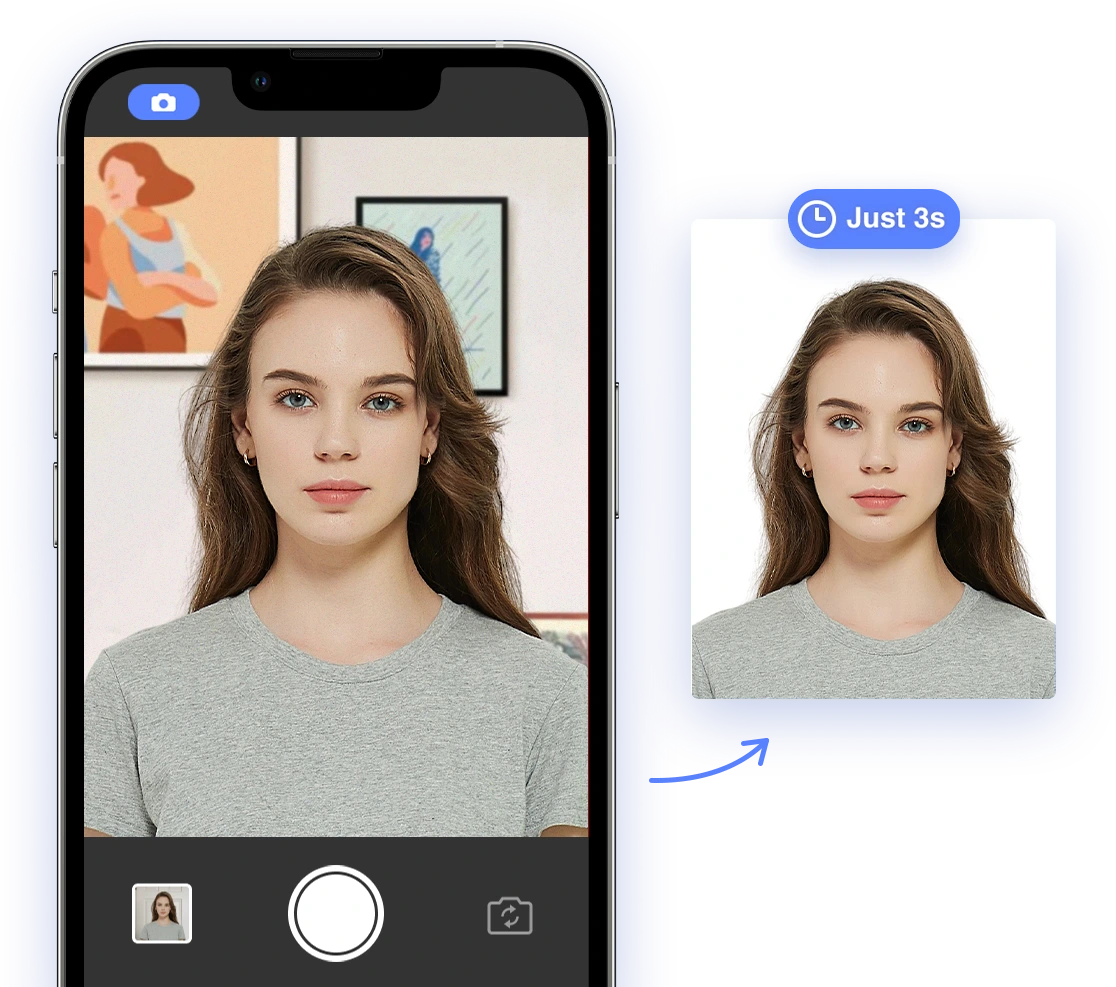
AI Passport Photo can simplify the process and ensure adherence to complex requirements, saving you time and effort.
How AI Passport Photo Can Help
AI Passport Photo can assist users in creating compliant photo IDs for various licenses, permits, and certifications by:
- Automated Compliance Checks: The tool automatically analyzes uploaded photos and flags any non-compliant elements, such as incorrect size, background, or facial expression, providing immediate feedback.
- Background Removal and Replacement: AI Passport Photo can automatically remove and replace backgrounds to meet specific requirements, ensuring a plain, light-colored background that complies with regulations.
- Size and Dimension Adjustments: The tool can resize and crop photos to meet the exact dimensions mandated by various agencies and licensing boards, ensuring that the photo fits the required format.
To obtain the right passport photo for your needs, visit
AI Passport Photo and let us help you get the perfect photo!
DIY Tips and Best Practices: Capturing Compliant Photos at Home
While AI-powered tools can greatly simplify the process, it's also possible to capture compliant photo IDs at home by following these DIY tips and best practices. Taking the time to do so will ensure you take a photo that gets accepted.
- Use Natural Light: Take the photo in natural light to avoid shadows or glare. Position yourself near a window or door, but avoid direct sunlight, which can cause harsh shadows.
- Choose a Plain Background: Use a plain white or off-white background. A blank wall or a sheet of paper works well. Make sure there are no patterns or distractions in the background.
- Maintain a Neutral Expression: Keep a neutral facial expression with both eyes open and clearly visible. Avoid smiling, frowning, or squinting.
- Follow Specific Guidelines: Carefully review and adhere to the specific guidelines provided by the relevant agency or licensing board. Pay attention to all details, including size, format, and any restrictions on attire or accessories.
2026-2027 Updates: Staying Informed
Photo ID requirements are subject to change, as agencies adapt to new technologies and security concerns. To stay informed about any anticipated updates in 2026-2027:
- Monitor Official Websites: Regularly check the official websites of relevant agencies, licensing boards, and certification bodies. These websites are the primary source of information on photo ID requirements.
- Subscribe to Industry Newsletters: Subscribe to industry newsletters and publications to receive updates on regulatory changes. These newsletters often provide timely information on changes to photo ID requirements.
- Consult with Experts: Seek guidance from experts in the field, such as licensing consultants or compliance specialists. These experts can provide personalized advice and help you navigate complex photo ID requirements.
By staying informed and proactive, you can ensure that your photo IDs remain compliant with all applicable requirements, minimizing the risk of application delays or rejections, and ensuring that your documents are processed quickly and efficiently. The US government provides resources to different State official licensing pages through its
official website.