
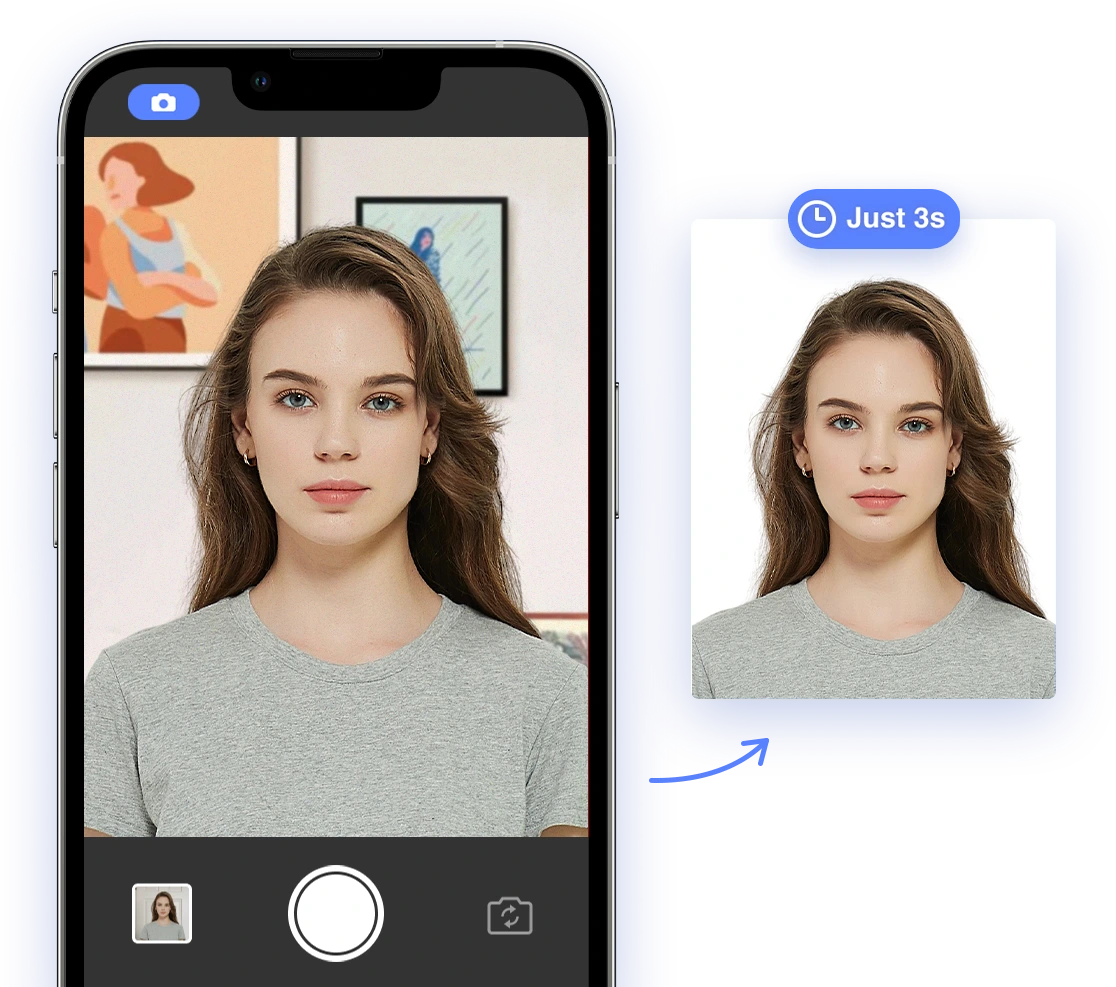
Applying for a passport can be a stressful process, and ensuring your photo meets all the requirements is crucial to avoid delays. One common question is whether you can wear headphones or other electronic devices in your passport photo. This comprehensive guide, updated for 2024-2025, clarifies the official U.S. passport photo requirements regarding headphones and offers practical tips and expert advice to ensure your photo meets all necessary standards and avoids rejection.
Understanding Official U.S. Passport Photo Requirements
Before diving into the specifics of headphones, let's recap the general requirements for U.S. passport photos. According to the U.S. Department of State, your passport photo must be:
- In color: Black and white photos are not accepted.
- 2 x 2 inches (51 x 51 mm) in size: The photo must be square.
- With a white or off-white background: No patterns or distracting elements.
- Taken within the last six months: To reflect your current appearance.
- Full face view directly facing the camera: With a neutral expression or a natural smile.
- Both eyes open: And clearly visible.
- Properly sized: The head should measure 1 inch to 1 3/8 inches (25 mm - 35 mm) from the bottom of the chin to the top of the head.
- Printed on matte or glossy photo quality paper: If submitting a physical photo.
The Official Stance: Headphones and Electronic Devices
The U.S. Department of State is quite clear on this matter: Headphones or any other electronic devices are not allowed in U.S. passport photos. This rule is in place to ensure that your face is fully visible and that there are no distractions or obstructions that could hinder identification.
Why Are Headphones Prohibited in Passport Photos?
There are several reasons why headphones and other electronic devices are not permitted in passport photos:
- Obstruction of Facial Features: Headphones can cover portions of your face, such as your ears or hair, making it difficult to get a clear and accurate representation of your features.
- Distraction and Non-Neutral Expression: Wearing headphones might lead to a less neutral expression or an unnatural pose, which goes against the guidelines for passport photos.
- Security Concerns: The primary goal of a passport photo is identification. Any item that obstructs or distorts facial features can raise security concerns.
Understanding Religious and Medical Exemptions
While the general rule prohibits headphones, there are limited exceptions for religious or medical reasons. However, these exceptions are very specific and require proper documentation. It's important to note that these exceptions are not applicable to headphones or other electronic devices.
Religious Head Coverings
If you wear a head covering for religious reasons, it is generally allowed, but it must not obscure your face. The U.S. Department of State states that head coverings worn for religious beliefs are acceptable as long as they do not hide your hairline or cast shadows on your face. All facial features must be clearly visible. This exception does not extend to headphones.
Essential Medical Devices
If you require a medical device, such as a hearing aid or other essential medical apparatus, it is generally permitted as long as it is a device that you wear daily and is clearly visible in the photo. The device should not obstruct your facial features or create shadows. In some cases, you may need to provide a signed statement from your doctor explaining the need for the device and why it must be worn in the photo. This exception does not typically include headphones, unless a very specific medical need can be documented.
Practical Tips for Taking a Compliant Passport Photo
Here are some practical tips to ensure your passport photo meets all the requirements and avoids rejection:
- Remove Headphones and Electronic Devices: This is the most straightforward way to comply with the rules. Ensure that no headphones or other electronic devices are visible in your photo.
- Choose the Right Attire: Wear everyday clothing. Uniforms, clothing that resembles a uniform, and camouflage attire are not allowed.
- Maintain a Neutral Expression: Look directly at the camera and maintain a neutral expression or a natural smile.
- Ensure Proper Lighting: Use natural light whenever possible. Avoid harsh shadows or glares on your face.
- Use a White or Off-White Background: A plain white or off-white background is essential. You can use a white wall or a white sheet as a backdrop.
- Check the Photo Size and Quality: Ensure that your photo is 2x2 inches (51x51 mm) and printed on high-quality photo paper if submitting a physical photo.
- Consider Professional Help: If you are unsure about meeting the requirements, consider using a professional passport photo service or an AI-powered tool like AI Passport Photo.
DIY Passport Photos: How AI Can Help Ensure Compliance
Taking a passport photo at home can be convenient, but it also comes with its own set of challenges. Fortunately, AI-powered tools like AI Passport Photo can simplify the process and ensure compliance.
Understanding AI Passport Photo
AI Passport Photo is an online tool that uses artificial intelligence to analyze your photo and ensure it meets all the official passport photo requirements. It checks for:
- Proper sizing and dimensions
- Background color
- Facial positioning and expression
- Absence of prohibited items like headphones
Step-by-Step Guide: Using AI Passport Photo
- Take a Photo: Use your smartphone or digital camera to take a photo against a white or off-white background.
- Upload Your Photo: Upload the photo to the AI Passport Photo website or app.
- AI Analysis: The AI will analyze your photo and provide feedback on any issues, including the presence of prohibited items.
- Make Adjustments: Follow the AI's recommendations to adjust your photo, ensuring no headphones or other electronic devices are visible.
- Download or Print: Once your photo meets all the requirements, you can download it for online submission or print it at a local photo lab.
By using AI Passport Photo, you can significantly reduce the risk of rejection and ensure that your passport application is processed smoothly. This is particularly useful for ensuring compliance with potentially confusing rules. Get started with your passport photo online now!
Common Mistakes to Avoid in Your Passport Photo
To further help you avoid rejection, here are some common mistakes to watch out for:
- Wearing Headphones or Other Electronic Devices: This is a straightforward rule, but it's often overlooked.
- Not Looking Directly at the Camera: Ensure you are facing the camera straight on.
- Having a Distracting Background: A plain white or off-white background is essential.
- Submitting a Blurry or Low-Quality Photo: Use a high-resolution camera and ensure proper lighting.
- Wearing Sunglasses or Tinted Glasses: Glasses are generally not allowed, but there may be exceptions for medical reasons. Standard eyeglasses are usually acceptable, but it's best to avoid them if possible to prevent glare.
- Having Red Eye: Make sure there is no red eye in your photo.
- Using an Old Photo: Your photo must be taken within the last six months to reflect your current appearance.
Dealing with a Rejected Passport Photo: What to Do Next
If your passport photo is rejected, don't panic. The U.S. Department of State will send you a letter explaining the reason for the rejection. Carefully review the feedback and make the necessary corrections. You can then resubmit your application with a new photo. You can also refer to our article on Top Reasons Your ID Photo Could Be Rejected for more insights. If you’re unsure where to start, there are articles such as Where to Get Passport Photos - All Options to help guide you.
Final Thoughts
While headphones and other electronic devices are not allowed in U.S. passport photos, understanding the requirements and following the practical tips outlined in this guide can help you ensure compliance and avoid rejection. By using AI-powered tools like AI Passport Photo, you can simplify the process and create a compliant photo from the comfort of your own home. Remember to always review the official guidelines from the U.S. Department of State to stay up-to-date with any changes.
By following these guidelines, you'll be well on your way to a smooth and stress-free passport application process. Start preparing your documents today, and get ready for your next adventure!