
Beyond the Basics: A Comprehensive Guide to Global Photo ID Requirements & AI Solutions [2024-2025]
Navigating the world of photo identification can often feel like traversing a minefield of regulations and requirements. Whether you're applying for a passport, visa, driver's license, or any other official document, the photo you submit is crucial for acceptance. Requirements vary significantly from country to country, leaving many individuals confused and frustrated. But fear not! This comprehensive guide is here to equip you with the knowledge and tools to conquer the global photo ID landscape in 2024-2025.
Understanding the Labyrinth of Global Photo ID Requirements
The world doesn't operate on a single standard when it comes to photo IDs. Each country, and sometimes even individual institutions, has its own set of rules. These regulations dictate everything from the size and background color of the photo to acceptable attire and facial expressions. This section will serve as your compass, guiding you through the key differences and commonalities in photo ID requirements across the globe. Let's delve into the specifics and unravel this complex landscape.
Key Differences in Photo ID Requirements
While some aspects of photo ID requirements are universally accepted, many differences exist. These variations stem from factors such as biometric data capture technology, cultural norms, and security considerations. Key areas of divergence include:
- Size and Dimensions: Passport photos in the US must be 2x2 inches, while other countries may require different dimensions (e.g., 35x45 mm in many European countries). Always verify the exact size needed for your specific application.
- Background Color: While a plain white or off-white background is common, some countries might permit light gray or blue backgrounds. Confirm the allowed background colors to avoid rejection.
- Attire and Accessories: Regulations on clothing, jewelry, and head coverings vary significantly. Some countries may prohibit eyeglasses, while others allow them under specific conditions. Adhering to these specific rules is paramount. See our guide on passport photo jewelry regulations.
- Facial Expression: A neutral expression with both eyes open and mouth closed is generally required, but some countries may permit a slight smile. Understand the level of strictness regarding facial expressions.
Major Countries and Their Specific Regulations
To navigate this complex landscape effectively, let's examine the specific photo ID regulations for several key countries. Keep in mind that regulations are subject to change, so always consult official sources before taking your photo.
- United States: US passport photos must be 2x2 inches with a white background. Eyeglasses are generally prohibited, but there can be medical exemptions. A neutral facial expression is required. For the most up-to-date information, refer to the U.S. Department of State website. Learn more about US passport photo requirements on our blog.
- United Kingdom: UK passport photos require a light grey or cream background. Strict head dimension requirements are enforced, and regulations for eyeglasses are stringent. Consult the UK government's passport guidelines for details. Find helpful information on getting a British Passport Photo in the U.S.
- Schengen Area: Schengen visa photos require a white background and a specific size (35x45 mm). Strict guidelines govern head size, pose, and facial expression. See the European Commission's website for detailed information on visa requirements.
- Canada: Canadian passport photos need to be 50x70 mm, and there are precise requirements for head height and positioning. A date stamp is required on the back of one of the photos. Refer to Passport Canada's guidelines for precise specifications.
Essential Photo ID Documents: Beyond Passports and Visas
While passports and visas are often the first documents that come to mind when thinking about photo IDs, numerous other official documents also require compliant photos. Understanding these requirements is crucial for smooth application processes. Let's take a closer look.
Driver's Licenses and State IDs
- Requirements: In the U.S., driver's license and state ID photo requirements vary by state. However, common regulations include specific size and background color requirements, as well as restrictions on head coverings and accessories. Check your state's DMV website for specifics. Read our guide on makeup for driver's license photos.
- State-Specific Examples: California requires a plain white or light-colored background and prohibits hats or head coverings unless for religious reasons. New York mandates a neutral facial expression with both eyes open and explicitly prohibits smiling. Always check the specific guidelines for your state's Department of Motor Vehicles (DMV).
Green Cards and Citizenship Applications
- USCIS Guidelines: The United States Citizenship and Immigration Services (USCIS) has specific photo requirements for green card and citizenship applications. These include size, background color, and pose requirements. Two identical photos are generally required. For detailed specifications, refer to the USCIS website. Learn more about countries Green Card holders can travel to without a visa.
- Compliance for a Smooth Process: Ensure your photos meet the USCIS guidelines to avoid delays or rejection of your application. Non-compliant photos are a common reason for application processing delays.
Student IDs and Professional Licenses
- Varying Requirements: The photo ID requirements for student IDs and professional licenses can vary significantly depending on the institution or licensing board. Contact the specific institution or board for their guidelines.
- Compliance for Access and Accreditation: Adhering to the specific requirements of your school or licensing board is crucial for obtaining your ID and maintaining your accreditation. Failing to comply can result in denial of access or loss of accreditation.
DIY Photo ID: Taking Compliant Photos at Home
With the right knowledge and tools, you can take compliant photo IDs at home, saving time and money. This section provides step-by-step instructions and practical tips for capturing perfect photos using your smartphone or digital camera. Preparation is key. If you're using an iPhone, check out our article on taking passport photos with your iPhone.
Setting up Your Home Photo Studio
- Lighting: Use natural, diffused light to avoid harsh shadows. Position yourself near a window, but avoid direct sunlight, which can create glare. Overcast days often provide the best lighting conditions.
- Background: Use a plain white or off-white sheet or wall as a background. Ensure there are no patterns or textures visible. Iron the sheet if necessary to remove wrinkles.
- Camera Positioning: Position the camera at eye level and maintain a distance of 4-6 feet from the subject. Use a tripod for stability to avoid blurry photos. Enlist a friend or family member to take the photo, if possible.
Posing and Attire Tips
- Facial Expression: Maintain a neutral facial expression with both eyes open and mouth closed. Avoid smiling, frowning, or squinting. Practice in front of a mirror to get a feel for the correct expression.
- Attire: Wear plain, everyday clothing that is not white, as it will blend with the background. Avoid busy patterns or distracting logos. Make sure that clothing is not similar to background color. Check out our guide on what to wear for a U.S. passport photo.
- Accessories: Remove eyeglasses (unless medically necessary and documented). Minimize jewelry and avoid head coverings (unless for religious or medical reasons). If wearing a head covering for religious reasons, ensure it does not obscure your face.
Editing and Printing Your Photos
- Cropping and Resizing: Use a photo editing tool to crop and resize your photo to the specific dimensions required for your document. Maintain the correct aspect ratio to avoid distortion. There are many free online tools available for basic photo editing.
- Checking Compliance: Before printing, use an AI-powered tool (like AI Passport Photo) to verify that your photo meets all requirements. This can save you time and money by preventing rejections. Learn more about common ID photo rejection reasons.
- Printing: Print your photo on matte or glossy photo paper with a high resolution for best results. Ensure your printer is calibrated correctly to avoid color distortions. You can also have your photo printed at a local pharmacy or photo shop.
The Power of AI: Ensuring Photo Compliance with Ease
Navigating the intricacies of photo ID requirements can be challenging, even with careful planning. That's where the power of artificial intelligence (AI) comes in. AI-powered tools can analyze your photo in real-time and ensure it meets all the necessary specifications, significantly increasing your chances of approval. Let's explore how AI is revolutionizing the photo ID process.
AI-Powered Photo ID Tools: A Game Changer
- Real-Time Compliance Checks: AI-powered tools can instantly analyze your photo and identify any issues related to size, background, lighting, facial expression, and more.
- Automated Adjustments: Some tools can automatically adjust your photo to meet the required specifications, such as cropping, resizing, and background removal.
- Increased Approval Rates: By ensuring compliance with all regulations, AI-powered tools significantly increase your chances of having your photo ID approved.
- Convenience and Time Savings: AI-powered tools make the photo ID process faster, easier, and more convenient than ever before.
How AI Passport Photo Streamlines the Process
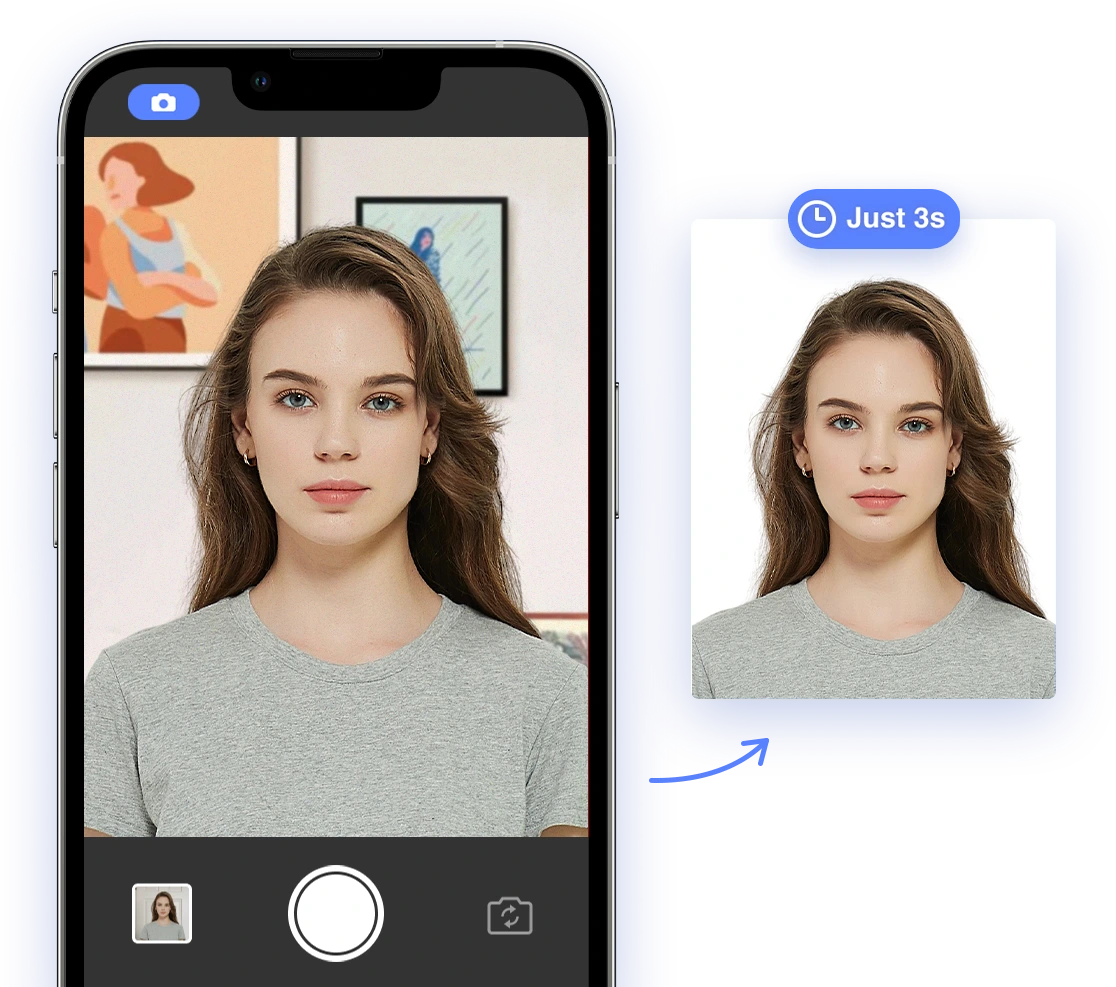
AI Passport Photo is a leading AI-powered tool that simplifies the photo ID process with its user-friendly app. Here's how it works:
- Upload Your Photo: Simply upload a photo from your smartphone or digital camera.
- AI Analysis: AI Passport Photo will automatically analyze your photo and identify any issues.
- Automated Adjustments: The app will automatically adjust your photo to meet the required specifications, such as cropping, resizing, and background removal.
- Compliance Verification: AI Passport Photo will verify that your photo meets all requirements and provide you with a compliant photo ID that is guaranteed to be accepted.
- Print or Digital Delivery: Receive a print-ready photo or a digital copy that you can submit online.
AI Passport Photo offers a seamless and stress-free way to obtain compliant photo IDs for passports, visas, driver's licenses, and more. Consider using AI Passport Photo to get perfect results and guaranteed compliance.
Common Mistakes and How to Avoid Them
Even with careful planning, it's easy to make mistakes when taking photo IDs. This section highlights common mistakes and offers practical solutions to avoid them. Learning from common pitfalls can save time and resources.
Lighting and Shadows
- Mistake: Harsh shadows or uneven lighting can obscure facial features and lead to rejection. See our tips for getting the best passport photo.
- Solution: Use natural, diffused light to illuminate your face evenly. Avoid direct sunlight or harsh artificial light.
Background Issues
- Mistake: Using a background that is not plain white or off-white. Learn more about US passport photo background requirements.
- Solution: Use a plain white or off-white sheet or wall as a background. Ensure there are no patterns or textures visible.
Attire and Accessories
- Mistake: Wearing eyeglasses, head coverings, or excessive jewelry.
- Solution: Remove eyeglasses (unless medically necessary and documented). Minimize jewelry and avoid head coverings (unless for religious or medical reasons).
Facial Expression and Pose
- Mistake: Smiling, frowning, or squinting.
- Solution: Maintain a neutral facial expression with both eyes open and mouth closed. Practice in front of a mirror to get a feel for the correct expression.
What to Do If Your Photo Is Rejected
Despite your best efforts, your photo ID may be rejected. Don't panic! This section provides guidance on what to do if your photo is rejected. Take a deep breath and follow these steps.
Identify the Reason for Rejection
- Review the Rejection Notice: Carefully review the rejection notice to determine the specific reason for the rejection. The notice will usually provide a detailed explanation of the problem.
- Check Official Guidelines: Consult the official guidelines for the specific document you are applying for. Ensure you understand all the requirements.
Address the Issue
- Retake the Photo: Retake the photo, paying close attention to the specific issue identified in the rejection notice. Make sure to correct the problem before submitting the new photo.
- Follow Instructions Carefully: Carefully follow all instructions for submitting the new photo. Some agencies may require you to submit a new application, while others may allow you to simply upload the new photo.
Seek Professional Assistance
- Passport Photo Service: If you are struggling to obtain a compliant photo, consider seeking help from a passport photo service or AI-powered tool.
- AI-Powered Tools: AI-powered tools can analyze your photo and ensure it meets all the necessary specifications, significantly increasing your chances of approval.
Compliant ID Photos for More Than Travel
While most think of passports and travel when compliant photo IDs are mentioned, many other use cases exist. You can use compliant IDs for a variety of purposes. Let's explore some of these options. Beyond travel, you can use your photos for student IDs.
Secure Online Identity Verification
- e-KYC: Compliant photo IDs are used for electronic Know Your Customer (e-KYC) processes, which are used to verify your identity online.
- Remote Access: Secure building access requires validated photo IDs, ensuring only authorized personnel gain entry.
Secure Online Transactions
- Banking: Many banking and financial institutions employ e-KYC checks using compliant photo IDs for secure customer verification.
- Compliance: Government and regulatory agencies use compliant photos to identify individuals and prevent fraud.
Pet Identification
- Pet Licensing: Most cities and towns require pet licenses, necessitating compliant photos to identify your furry friend.
- Microchipping: Veterinary clinics and animal shelters keep compliant photos on file for pet microchip registrations and identification.
Staying Up-to-Date: 2024-2025 Regulation Updates
The world of photo ID regulations is constantly evolving, so it's important to stay informed about the latest updates. This is a necessity to avoid future rejections.
Changes in Biometric Standards
- Monitor Biometric Data Capture Technology: Keep an eye on new advancements in biometric data capture technology, as these advancements may lead to changes in photo ID requirements.
- Consult Official Sources: Regularly consult official sources, such as government websites and agency publications, to stay up-to-date on the latest biometric standards.
Adjustments to Attire and Accessories
- Stay Informed: Stay informed about any adjustments to guidelines on attire and accessories, such as changes to regulations on eyeglasses or head coverings.
- Follow Official Guidelines: Always follow the official guidelines for the specific document you are applying for.
New Technologies and AI Integration
- Monitor AI Effects: As AI-powered photo ID tools become more sophisticated, monitor for any changes in how these tools are used to enforce compliance. Keep abreast of any regulatory adjustments made in response to AI technologies.
- Stay Informed: Stay informed about these developments to ensure you remain compliant with all regulations.
Conclusion: Your Guide to Photo ID Success
Navigating the world of photo ID requirements can be challenging, but it doesn't have to be. By understanding the key differences and commonalities in regulations, utilizing DIY strategies, and leveraging the power of AI, you can take control of your photo ID journey and ensure a smooth application process. Remember to stay informed about the latest updates and consult official sources for the most accurate information. With this guide in hand, you're well-equipped to conquer the global photo ID landscape in 2024-2025. If you're a digital nomad, make sure you have the correct remote work visa.