
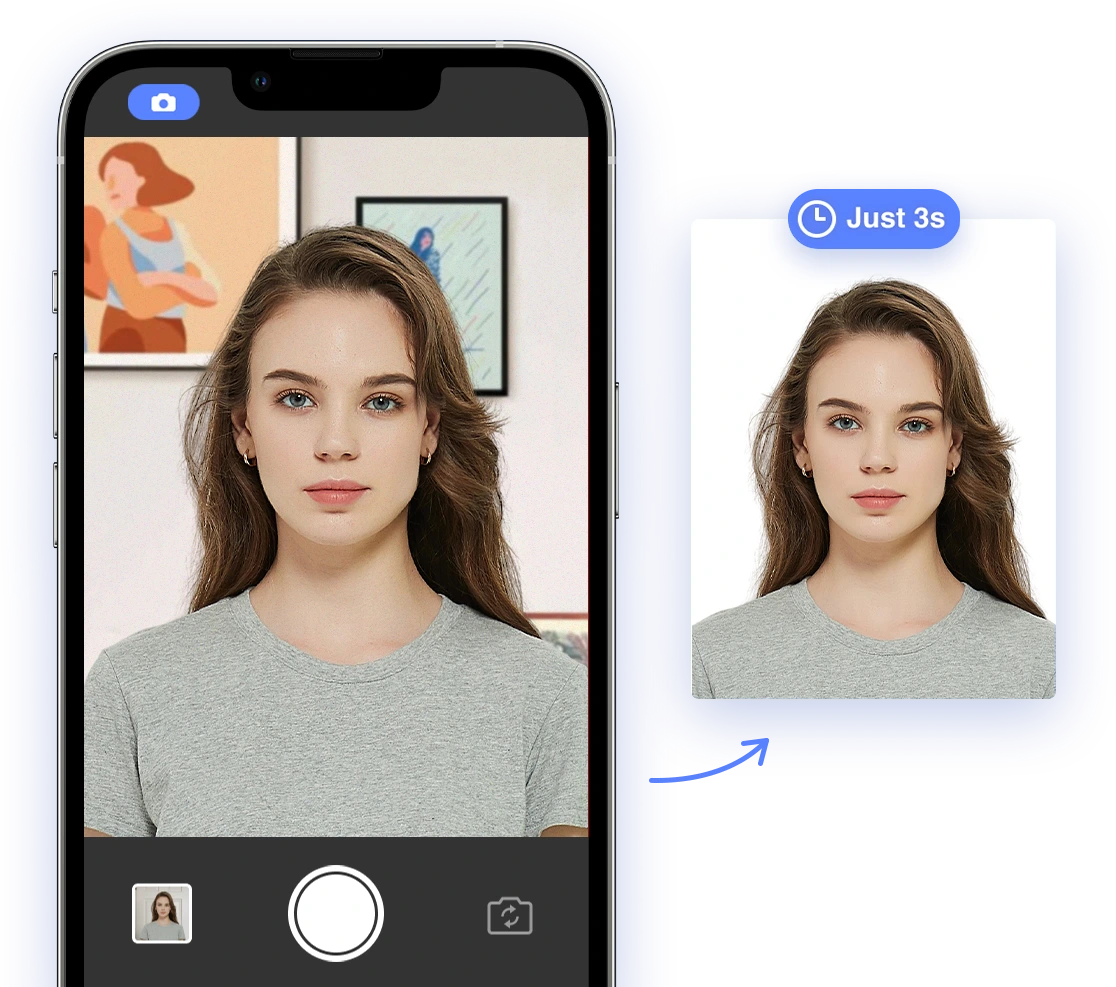
Planning an international trip or relocating to a new country? One of the first hurdles you'll encounter is ensuring you have compliant ID photos for your passport, visa, and other essential documents. Navigating the maze of global ID photo requirements can be daunting, with each country and institution having its own set of rules. This guide serves as your comprehensive resource for 2024-2025, offering practical advice, DIY tips, and insights into how AI-powered solutions can simplify the process and ensure your applications are stress-free.
Understanding Global Standards
At the heart of compliant ID photos lie several key aspects that are universally scrutinized: size, format, background, and pose. However, the specific parameters for each can vary significantly from one country to another. Failing to meet these standards often results in rejection, leading to delays and added stress. Therefore, understanding these nuances is critical.
Key Elements of Compliant ID Photos
- Size and Dimensions: The physical dimensions of the photo (e.g., 2x2 inches for US passports) and the digital resolution are crucial. Many countries also specify the required head size or facial proportions within the image.
- Background: Most countries mandate a plain, uniformly lit background, typically white or off-white. Patterns, shadows, or distracting elements are usually forbidden.
- Pose and Expression: A neutral facial expression, with eyes open and clearly visible, is generally required. Smiling, tilting the head, or wearing sunglasses are often prohibited.
- Lighting: Even and consistent lighting is essential to avoid shadows or glare that can obscure facial features.
- Image Quality: The photo must be sharp, clear, and free from pixelation or other distortions.
Why is compliance so important? Submitting a non-compliant photo can lead to significant delays in processing your application, and in some cases, outright rejection. Taking the time to understand the specific requirements ensures a smoother and faster process.
Country-Specific Guidelines
While general guidelines provide a foundation, specific ID photo requirements can vary substantially depending on the country issuing the document. Knowing these subtle differences is essential. Here's a look at requirements for some popular destinations:
United States
The U.S. Department of State requires a 2x2 inch (51x51 mm) photo with a white or off-white background. The applicant must face the camera directly, with a neutral expression, and both eyes open. Glasses are no longer allowed in U.S. passport photos unless you have a medical reason, supported by a signed doctor's statement. For detailed information, refer to the U.S. Department of State's official guidelines.
Canada
Canadian passport photos must measure 50 mm wide x 70 mm high, with the head height between 31 mm and 36 mm. The photo must have a plain white background, and glasses are generally not allowed. The back of one photo must be certified by the guarantor. More information can be found on the Government of Canada website.
United Kingdom
UK passport photos must measure 35mm wide by 45mm high. The applicant should face forward with a neutral expression and mouth closed. The background should be plain and light-colored. Detailed guidelines can be found on the UK government website.
Schengen Area
The Schengen Area, comprising 27 European countries, generally requires a 35x45 mm photo with a light-colored background. Specific requirements may vary slightly between countries, so it's always best to check the specific embassy or consulate's guidelines for the particular country you're applying to.
DIY Tips & Tricks: Taking Compliant ID Photos at Home
Taking your ID photo at home can save time and money. However, achieving compliance requires careful attention to detail. Here are some actionable tips to help you succeed:
Setting Up Your Photo Shoot
- Lighting: Prioritize natural light whenever possible. Position yourself facing a window, but avoid direct sunlight, which can create harsh shadows. If natural light is limited, use two softbox lights placed at 45-degree angles to your face for even illumination.
- Background: The ideal backdrop is a plain white or off-white wall. If you lack a suitable wall, suspend a white sheet or use a large piece of white poster board. Ensure the background is smooth and free from creases.
- Camera: Employ a high-resolution smartphone or digital camera. Ensure the lens is clean, and the settings are optimized for high image quality.
Posing and Attire
- Positioning: Stand or sit squarely facing the camera. Maintain a relaxed posture and avoid tilting your head or hunching your shoulders.
- Expression: Adopt a neutral facial expression with your mouth closed. Relax your facial muscles and avoid smiling, frowning, or raising your eyebrows. Practice in front of a mirror to get a feel for the correct expression.
- Attire: Wear clothing that you would normally wear on a typical day. Avoid wearing white, as it can blend into the background. Ensure your clothing is neat, clean, and free of distracting patterns, logos, or embellishments.
Taking the Photo
- Distance: Enlist someone else to take the photo, positioning themselves about 4-6 feet away from you. This distance helps minimize distortion and provides a more natural perspective.
- Framing: Ensure your entire face and upper shoulders are visible within the frame. Leave a small amount of space above your head, but avoid excessive headroom. The focus should be sharp and clear.
- Multiple Shots: Capture several photos to ensure you have a variety of options to choose from. Slight variations in expression or lighting may make one photo more suitable than another.
Pro Tip: After taking your photos, compare them against official examples from the relevant government website. This visual check can help you identify potential issues before submission.
Leveraging AI-Powered Solutions
Creating compliant ID photos can be greatly simplified by using tools like AI Passport Photo. These innovative apps harness the power of artificial intelligence to automatically crop, resize, and adjust your photo to meet the precise requirements of various countries and institutions. Furthermore, they analyze your photo for common issues such as background uniformity, facial expression, and lighting, providing instant feedback and guidance.
Benefits of Using AI Passport Photo
- Accuracy: AI algorithms ensure your photo adheres to the specific dimensions, resolution, and technical specifications mandated by different authorities.
- Convenience: Capture your photo from the comfort of your own home, at any time, using your smartphone or tablet. No need to visit a professional photo studio.
- Cost-Effectiveness: AI passport photo services are generally more affordable than traditional professional photography options.
- Guaranteed Compliance: Many reputable AI tools offer a compliance guarantee, promising that your photo will be accepted or your money back.
Ready to experience the ease and accuracy of AI? Check out our Passport Photo Booth App for iOS or Passport Photo Maker App for Android to get started today.
Common Mistakes to Avoid
Even with meticulous planning, it's easy to make subtle errors that can lead to photo rejection. Being aware of these common pitfalls can save you time and frustration:
- Incorrect Size or Dimensions: Always verify that your photo precisely matches the size requirements specified by the issuing country or institution. A slight deviation can result in rejection.
- Non-Compliant Background: A background that is too busy, patterned, or unevenly lit is a frequent cause of rejection. The background should be plain and consistent.
- Unnatural Facial Expression: Overly expressive faces, such as smiling broadly, frowning, or raising your eyebrows, are generally not permitted. Maintain a neutral and relaxed expression.
- Poor Lighting: Shadows, glare, or uneven lighting can obscure your facial features and render your photo unacceptable. Ensure your face is evenly illuminated.
- Wearing Glasses or Headwear: Unless specifically permitted for medical or religious reasons, glasses and headwear are generally prohibited. Check the specific guidelines for any exceptions.
Remember: Always double-check the most up-to-date requirements on the official government or institutional website before submitting your photo.
What to Do If Your Photo Is Rejected
Receiving a rejection notice for your ID photo can be disheartening, but it's important to remain calm and take a systematic approach to resolving the issue. Here's a step-by-step guide:
- Review the Rejection Notice: Carefully examine the rejection notice to pinpoint the specific reasons for the rejection. This will provide valuable guidance for correcting the issues.
- Correct the Issues: Address each of the issues identified in the rejection notice. This may involve retaking the photo, adjusting the background or lighting, or modifying your attire.
- Use an AI-Powered Tool: Leverage an AI passport photo tool to analyze your revised photo and identify any remaining compliance issues. These tools can help ensure that your photo meets all requirements.
- Resubmit Your Application: Once you've diligently corrected all identified issues, resubmit your application with the new, compliant photo.
Beyond Travel Documents: Other Uses for Compliant ID Photos
While passports and visas are the most common reasons for needing compliant ID photos, their utility extends to numerous other official purposes:
- Driver's Licenses: Many countries and states require compliant ID photos for driver's licenses or other forms of government-issued identification.
- Professional Certifications: Certain professional organizations mandate ID photos for certification or licensing purposes.
- Secure Access Cards: Government agencies and private companies often require ID photos for secure access cards used to control entry to facilities.
- School or University IDs: Educational institutions may require ID photos for student identification cards used for accessing campus resources and services.
Consider This: Keeping a readily available, compliant ID photo on file can streamline various administrative processes throughout your life.
Photo ID for International Students in the US
International students studying in the US often need multiple forms of photo identification. Navigating these requirements can be simplified by understanding the specific guidelines for each document:
- Passport Photo: A compliant passport photo is essential for the visa application process and for entry into the United States. These photos must adhere to strict US Department of State guidelines.
- Visa Photo: A visa photo, while similar to a passport photo, may have slightly different specifications depending on the type of visa you are applying for. Consult the specific visa requirements for your country of origin.
- Driver's License or State ID: If you plan to drive or need a state-recognized form of identification, you'll need a driver's license or state ID card, which requires a compliant photo. Requirements vary by state, so check local DMV guidelines.
- Student ID: Your university or college will issue a student ID card, which typically requires a photo. Check with your school for specific requirements regarding size, background, and other specifications.
The Six-Month Passport Validity Rule
Many countries enforce the six-month passport validity rule, which requires that your passport be valid for at least six months beyond your intended stay in the destination country. This rule is designed to provide a buffer in case of unexpected delays or emergencies.
Pro Tip: To calculate your passport expiration date, add six months to your intended departure date from the destination country. If your passport expires before this date, you'll need to renew it before traveling.
Spotlight on Remote Work and Digital Nomad Visas
The growing popularity of remote work has led to the rise of digital nomad visas, which enable individuals to live and work remotely in a foreign country for a specified period. If you're considering this option, be aware that these visas typically have specific photo requirements that mirror those for tourist or student visas.
Important: Always consult the official embassy or consulate website for the most accurate and up-to-date information regarding photo requirements for digital nomad visas.
Conclusion
Navigating global ID photo requirements can seem like a daunting task, but with the right information and tools, it becomes a manageable process. By understanding the core elements of compliant photos, adhering to country-specific guidelines, utilizing DIY techniques, and leveraging AI-powered solutions, you can ensure that your photos meet all necessary standards and your applications are processed smoothly. Remember, taking the time to double-check all requirements and seeking assistance when needed will contribute to a stress-free experience.
Are you ready to simplify your ID photo process? Try AI Passport Photo today and experience the difference!