
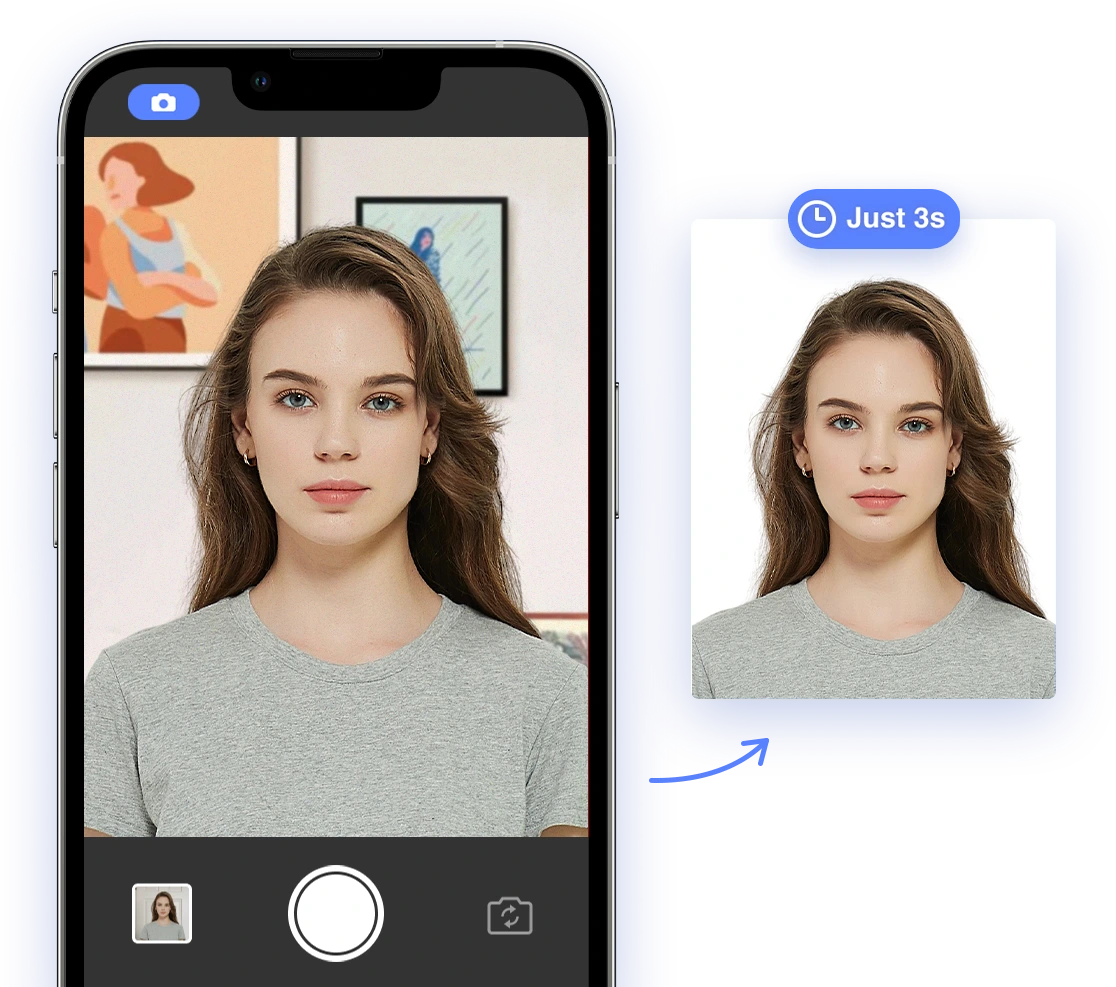
Applying for a passport, visa, driver's license, or TSA PreCheck can be a headache, especially when your photo gets rejected! Ensuring your photo meets all official requirements is crucial for a smooth application. This comprehensive guide, updated for 2026, provides clear guidelines, practical tips, and AI-powered solutions to help you navigate the often-confusing world of photo ID requirements.
Table of Contents
- Passport Photo Perfection: US Requirements
- Decoding Visa Photo Requirements
- Driver's License Photo Mastery
- TSA PreCheck Photo Guidelines
- Green Card Photo Requirements
- Leveraging AI for Guaranteed Compliance
- Troubleshooting Common Issues
- DIY vs. Professional Photo Services
- The Future of Photo IDs
- Conclusion
Passport Photo Perfection: US Requirements
Obtaining a U.S. passport requires strict adherence to photo guidelines. Here's what you need to know for 2026:
- Photo Specifics:
- Color: Must be in color. Black and white photos are not accepted.
- Size: 2 x 2 inches (51 x 51 mm).
- Head Size: 1 inch to 1 3/8 inches (25 to 35 mm) from the bottom of your chin to the top of your head (50-69% of the photo's height).
- Background: Plain white or off-white with no shadows or distractions.
- Recency: Taken within the last 6 months to reflect your current appearance.
- Facial Expression: Neutral expression with both eyes open and mouth closed. Why you Can't Smile in your Passport Photo
- View: Full-face view directly facing the camera.
- Clothing: Wear regular daily attire. No uniforms, except religious clothing worn daily.
- Head Coverings: Not allowed, unless worn daily for religious purposes. Full face must be visible without shadows.
- Eyeglasses: Generally not allowed. Exceptions may be made for medical reasons with a signed statement.
- Resolution: 300 pixels per inch.
- Digital Image Requirements: JPEG format, 240 kB or less, square aspect ratio (minimum 600 x 600 pixels).
- No filters, retouching, or AI edits: Do not alter the image in any way. See official US Department of State guidelines.
Special Circumstances
- Infants: The baby must be awake with eyes open. You can lay the baby on a plain white sheet or have someone hold the baby, ensuring their hands are not visible in the photo. For more information, see our guide to child passport age.
- Individuals with Disabilities: Ensure any assistive devices or medical equipment do not obstruct your face. See the official guidelines for specific situations.
- Religious Head Coverings: Allowed if worn daily for religious reasons, but must not obscure the face. See guidelines about requirements for hair on passport photos.
- Check out this video for 10 common mistakes: 10 Passport Photo Mistakes That Will Get You Rejected (And How to Fix Them)
Decoding Visa Photo Requirements
Visa photo requirements vary significantly depending on the country you're applying to. While some general guidelines apply, it's crucial to check the specific requirements of the embassy or consulate of the country you're visiting. Here are the US visa photo requirements:
- Size: 2x2 inches (51x51 mm).
- Digital Dimensions: between 600x600 and 1200x1200 pixels.
- File Format: JPEG (.jpg).
- File Size: 240 KB or less.
- Recency: Taken within the last 6 months.
- Background: Plain white or off-white.
- Appearance: Neutral expression, eyes open, slight smile is acceptable.
- Clothing: Normal daily wear; no uniforms except religious attire.
- Head Coverings: Allowed for religious purposes only; must not obscure face.
- Eyeglasses: Generally not allowed (since Nov 2016), exceptions for medical reasons with documentation.
- Head Size: 1 to 1 3/8 inches (25-35 mm); 50-69% of photo.
- Eye Height: 1 1/8 to 1 3/8 inches (28-35 mm) from the bottom of the photo.
- Color: Color photo only.
- Number of Photos: Two identical printed photos at the visa interview.
Key Differences and Common Pitfalls
- Background Color: Some countries may require a specific shade of white or even a different color altogether. Always verify.
- Size and Dimensions: Photo sizes can vary, so always confirm the exact dimensions required.
- Facial Expression: While a neutral expression is generally required, some countries may have stricter rules about smiling. Is it okay to smile in a passport photo?
Driver's License Photo Mastery
Driver's license photo requirements are determined by each state, leading to variations across the US. However, some general guidelines apply:
- Color: Photos must be in color. Black and white photos are not accepted.
- Size: Head should be between 1 inch and 1 3/8 inches (22 mm and 35 mm) or 50-69% of the image's height.
- Recency: Taken within the last 6 months.
- Background: Plain white or off-white.
- Facial View: Full-face view, facing the camera directly.
- Expression: Neutral facial expression, both eyes open.
- Attire: Normal daily wear, no uniforms except religious clothing.
- Head Coverings: Generally prohibited unless worn daily for religious reasons; full face must be visible.
- Eyeglasses: Generally not allowed, except for medical reasons with specific documentation.
- Other Devices: No headphones or wireless devices.
- Digital Image Specifications: JPEG format, file size equal to or less than 240 kB, square aspect ratio (minimum dimension of 600x600 pixels).
State-Specific Nuances
- Always check the specific requirements on your state's DMV website.
- Some states have updated security features and design (e.g., California, Florida, Pennsylvania, South Carolina). See your local California DMV website.
TSA PreCheck Photo Guidelines
While TSA PreCheck mainly relies on a valid form of ID and doesn't require a separate photo submission for enrollment (they use your existing passport or driver's license), understanding acceptable forms of ID is crucial for a smooth travel experience.
- TSA is expanding a Touchless ID program in 2026, using facial recognition by scanning your face and matching it to your passport photo.
- You need to be a TSA PreCheck member with a valid passport uploaded to your airline profile to use Touchless ID.
- You must also opt-in through the airline's app or website.
Acceptable Forms of ID
- State-issued REAL ID-compliant driver's licenses or identification cards.
- U.S. passport or U.S. passport card.
- DHS trusted traveler cards (Global Entry, NEXUS, SENTRI, FAST).
- U.S. Department of Defense ID.
- Permanent resident card.
- An acceptable photo ID issued by a federally recognized Tribal Nation/Indian Tribe.
- Foreign government-issued passport. Learn more about What Countries Green Card Holders Can Travel To Without a Visa? You can find a complete list of acceptable IDs on the TSA website.
Green Card Photo Requirements
For Green Card applications and renewals, the USCIS (United States Citizenship and Immigration Services) has specific photo requirements that must be met to avoid rejection. Here's what you need to know:
- Photo Specifics:
- Color: Photos must be in color.
- Size: 2 x 2 inches (51 x 51 mm).
- Head Size: The head should measure 1 to 1 3/8 inches (25 mm to 35 mm) from the top of the head, including hair, to the bottom of the chin.
- Background: The photo must have a white or off-white background.
- Recency: The photo must be taken within the last six months.
- Facial Expression: A neutral facial expression with both eyes open is required.
- View: A full-face view is required, and the applicant must directly face the camera.
- Attire: Normal daily wear; no uniforms except religious attire.
- Head Coverings: Generally prohibited unless worn daily for religious reasons; full face must be visible.
- Eyeglasses: Generally not allowed, except for medical reasons with specific documentation.
Meeting these requirements is essential for the successful processing of your green card.
Leveraging AI for Guaranteed Compliance
Meeting all these requirements can be challenging, but AI-powered tools like AI Passport Photo can simplify the process. Our platform can:
- Automatically adjust photo size and dimensions.
- Ensure the background is plain white or off-white.
- Check for proper head size and eye placement.
- Verify that the photo meets all other technical specifications.
Troubleshooting Common Issues
Even with careful planning, you might encounter some common issues:
- Red-eye: Ensure proper lighting to avoid red-eye.
- Shadows: Use diffused lighting to minimize shadows on your face and background.
- Poor Lighting: Take the photo in a well-lit room or outdoors on a cloudy day.
- Upload Problems: Check the file size and format, and ensure your internet connection is stable.
- Looking for some makeup tips, here are some common tips shown on youtube: How to do your makeup for a passport photo you won't hate for 10 years.
DIY vs. Professional Photo Services
You have two main options for obtaining your photo ID:
- DIY (Do-It-Yourself):
- Pros: More affordable, convenient. HOW TO MAKE YOUR OWN PASSPORT SIZE PHOTOS FOR FREE | TAKING & PRINTING THEM | DIY TUTORIAL.
- Cons: Requires careful attention to detail, potential for errors.
- Professional Photo Services (e.g., Walgreens, CVS):
- Pros: Higher likelihood of compliance, professional quality.
- Cons: More expensive, less convenient. Find out Where to Get Passport Photos - All Options.
Consider your budget, time constraints, and comfort level with technology when making your decision.
The Future of Photo IDs
The world of photo identification is constantly evolving. Biometrics and digital IDs are becoming increasingly common, offering enhanced security and convenience. AI Passport Photo is committed to adapting to these changes and providing innovative solutions for the future. Find out more Exploring the Phenomenon of Selfie-taking in the United States.
Conclusion
Navigating photo ID requirements can be complex, but by understanding the guidelines and utilizing AI-powered tools like AI Passport Photo, you can ensure a smooth application process and avoid unnecessary delays. Always double-check the specific requirements for your document and destination, and don't hesitate to seek professional assistance if needed.